Health & Safety
Health & Safety
Identify personal characteristics that help to predict unsafe behaviour in the workplace.
Safety Check is a tool for measuring personal characteristics that help to predict unsafe behaviour in the workplace. It is based on a body of academic research that, over time, has revealed the personality traits and abilities that tend to predict an increased likelihood of workplace accidents, injuries, risky behaviour, or noncompliant work practices.
The safety assessment is intended for organisations who recognise that personnel factors are one piece in the larger puzzle of creating safer workplaces.
Safety Check is designed to identify those individuals who may pose a greater safety risk than others.
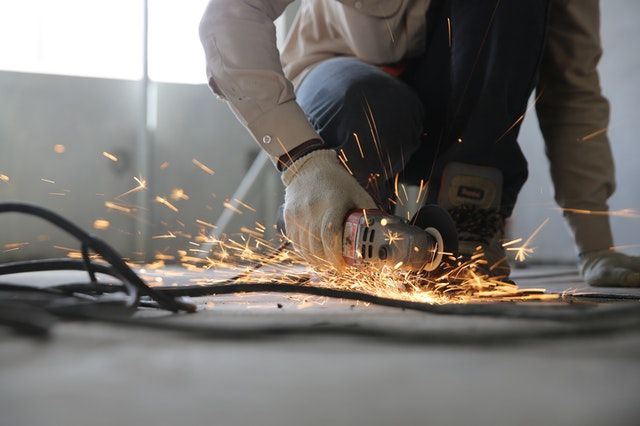

Safety First: Predicting Workplace Risk
Understanding human factors is crucial in preventing workplace accidents and injuries. Personal characteristics and behaviours can make the difference between a safe workplace and a hazardous one.
Safety Check provides evidence-based insights into safety-related personality traits and abilities, helping organizations build a robust safety culture and reduce workplace incidents through better selection and development.
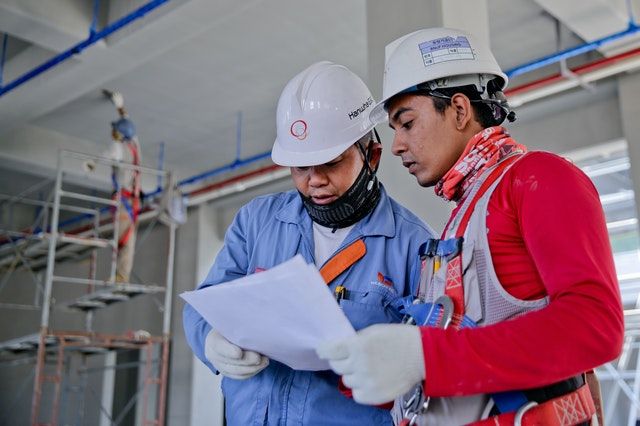
Safety Check Factors
Personality
Measures the following aspects of personality related to safety behaviours.
Safety Conscientiousness: Characteristics that incline a person towards safe workplace practices by following rules and safety procedures diligently, and not cutting corners.
Safety Compliance: A person's motivation to get along with others and to work towards the collective wellbeing.
Safety Motivation: Whether a person may be inclined to cut corners or ignore safety rules to gain a competitive advantage over coworkers.
Safety Composure: A person's susceptibility to psychological stress and emotional volatility, and their self-doubt and lack of confidence that could be associated with unsafe work behaviours.
Safety Confidence: Measuring a person's self-confidence which can tend to exhibit more positive safety behaviours.
Ability
Measures associated with a personal ability that relate to safety behaviours.
Comprehension of Situational Safety: A person's ability to comprehend hazards, safety relationships, and the ramifications of behaviour for safety outcomes.
Information Checking: Safety behaviours require meticulous attention to detail, such as when reading instruments, evaluating the presence of hazards, and following detailed procedures.
Understanding Instructions: Measures a person's ability to understand instructions in different written and graphical forms.
Attention to the Task: People who are more inclined to cognitive failures such as distractibility and forgetfulness may be more likely to engage in unsafe behaviours and be involved in accidents.

Measures
Safety Conscientiousness
Safety Compliance
Safety Motivation
Safety Composure
Safety Confidence
Reports
Selection Reports
Development Reports
Bulk/Group Reports
Feedback Reports
Administration
On-Screen
Remote Email Invitation
Bulk Access
Duration
4 assessments
Completed in under one hour
Safety Check Sample Reports
Safety Check Select Report (PDF) Safety Check Develop Report (PDF) Safety Check Feedback Report (PDF)